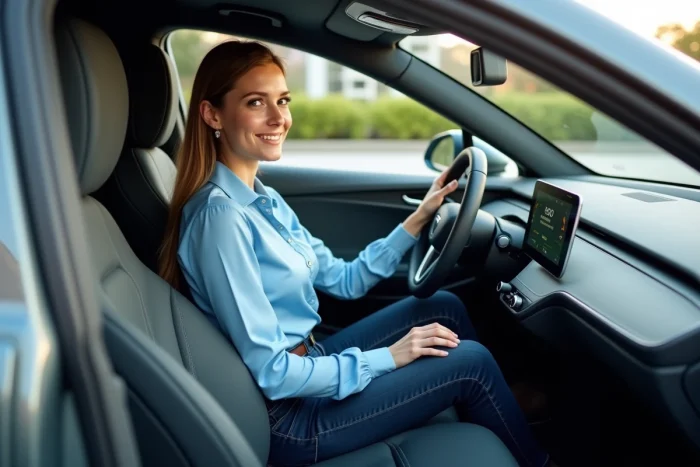
In 2023, the market share of electric vehicles in Europe has surpassed that of diesel cars for the first time. The rise of embedded software is changing the hierarchy of manufacturers, with the emergence of tech start-ups alongside historical groups. Formula 1 teams are now incorporating bio-inspired composite materials that can self-repair under heat.
This technological acceleration is profoundly altering the industrial landscape and reshuffling the cards, from the production chain to competition circuits.
A sector in full transformation: an overview of trends redefining the automobile
Never before has the automotive sector so dramatically shaken its own benchmarks. Electric and hybrid vehicles are no longer mere curiosities at trade shows: they are becoming a permanent fixture in the ranges, driven by a demand that shows no signs of weakening and public policies that focus on energy transition. In France and elsewhere in Europe, daily life is changing rapidly: charging stations are blooming in parking lots, ranges are extending, and promises of access to cleaner mobility are emerging.
Innovation is also making its way into the very materials of cars. The use of recycled plastics or bio-sourced fibers is no longer reserved for a few prototypes. Manufacturers are adopting these materials to lighten their vehicles, reduce their environmental impact, and meet pressing societal expectations. The traditional model of the individual car is also wavering under the influence of shared mobility and new usages. Carpooling, car-sharing, and electric fleets for businesses are reinventing the place of the automobile in everyday life.
Major events like the Mondial de l’Auto or the Geneva and Paris motor shows make this excitement palpable. Manufacturers’ stands impress less with sheer power than with the ingenuity of embedded technologies: driving aids, digital interfaces, enhanced safety. The car is no longer just a means of transportation; it is becoming a concentrate of innovative solutions.
To keep up with this bustling news, the Blog Automobile site examines the initiatives of French and international brands, analyzes advancements in safety, highlights new materials, and deciphers the challenges of connected mobility. The recently unveiled concept cars, bold and responsible, embody this new breath of fresh air. The automotive industry is transforming, adapting, and asserting itself as a large-scale experimentation ground for the mobility of tomorrow.
Which electric cars will mark the coming years?
The electric car market is accelerating, driven by a wave of innovation and a growing demand for real autonomy. Competition is fierce: each manufacturer is refining its offerings to meet expectations regarding price, performance, and customization. In France and across Europe, enthusiasm for electric vehicles suited for everyday use continues to grow.
Models rethought for the user
Upcoming innovations focus on the advanced integration of artificial intelligence on board. Optimized charging management, precise consumption anticipation, interfaces that learn each driver’s habits: technology is everywhere, offering a tailored experience. The rapid development of fast charging networks in France reassures drivers and gradually lifts the autonomy barrier during long trips.
Here’s how the main manufacturers are positioning themselves in the face of these challenges:
- Renault is refining its strategy with compact city cars designed to limit energy consumption without sacrificing urban agility.
- Peugeot targets both families and urban dwellers, betting on a bold design and technical innovations that enhance comfort.
- Kia and Ford are energizing the electric SUV segment, with models that combine space, connectivity, and extended autonomy.
- BMW and Audi, on the other hand, are setting high standards in active safety and the integration of the latest embedded technologies.
This race for innovation is shaping a market in full reconfiguration. The balance to be found between acquisition cost, real autonomy, and the richness of connected services will determine the next benchmarks for European electric mobility. The face-off between historical manufacturers and newcomers promises rapid and spectacular developments in the coming years.
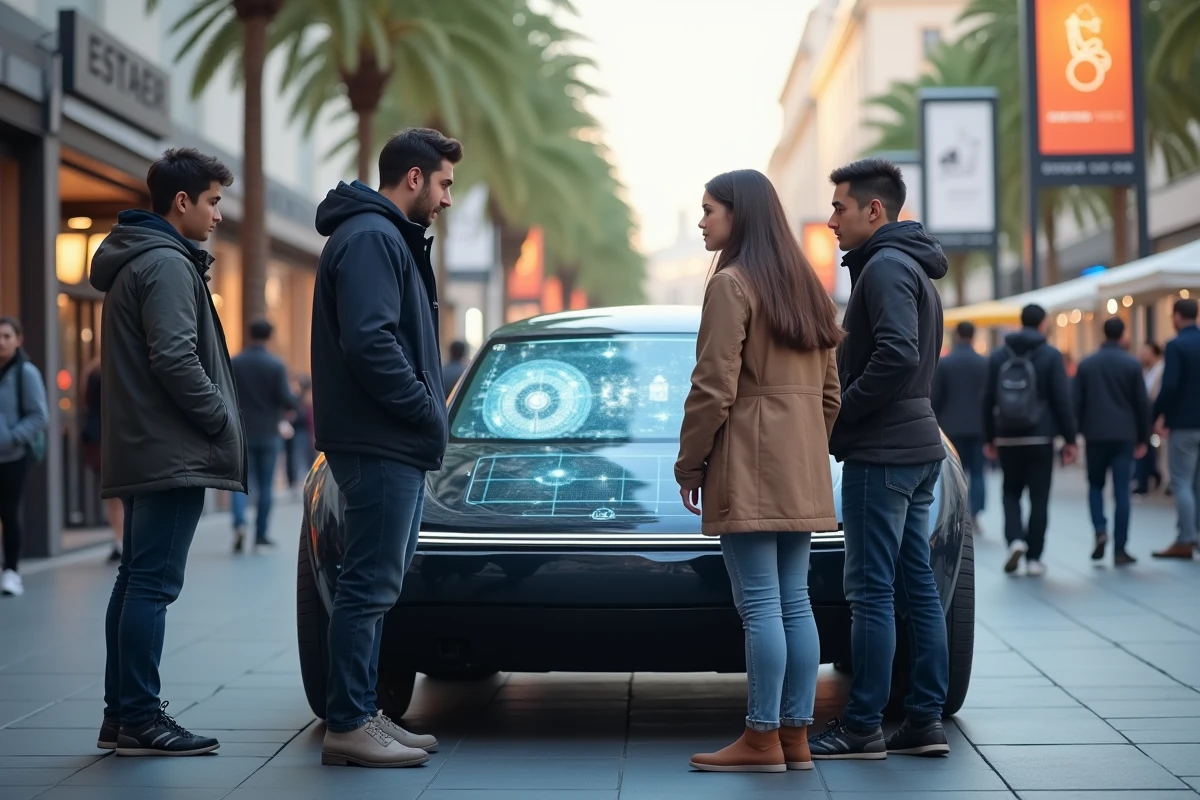
Formula 1: how the latest technological innovations are revolutionizing racing
Formula 1, the ultimate technological laboratory, is shaping the future of the entire automotive industry. On the circuits, each season sees the emergence of advancements that disrupt competition: AI-assisted management, fine data analysis, strategy automation… Engineers collect and interpret billions of pieces of information to adjust tactical choices, settings, and resource management in real-time. Nothing is left to chance; everything is optimized to the second.
The search for new materials is also at the forefront. Chassis are becoming lighter, safety is improving, and performance is increasing thanks to the combined use of carbon, innovative alloys, and structures inspired by nature. Engines are also evolving: the widespread adoption of hybrid turbo blocks, with impressive efficiencies, is preparing the transition to more efficient mobility and directly inspiring production vehicles.
Key Innovations Table
| Innovation | Impact on Racing |
|---|---|
| Artificial Intelligence | Customized race strategies, incident anticipation |
| Composite Materials | Lightweight, increased safety, better aerodynamics |
| Engine Hybridization | Reduced consumption, optimized energy management |
Safety is making a leap forward with devices like the halo or predictive incident monitoring, which are becoming new standards. These advancements, far from being reserved for competition, are gradually permeating mass-market automotive production. Formula 1 confirms its role as a conductor: it drives, anticipates, and paves the way for innovations that will transform our automotive experience, both on the track and on open roads.
This sector, where each season reinvents the finish line, continues to show that the speed of innovation knows no fixed limits. Who can predict what the face of the automobile will look like in five years?