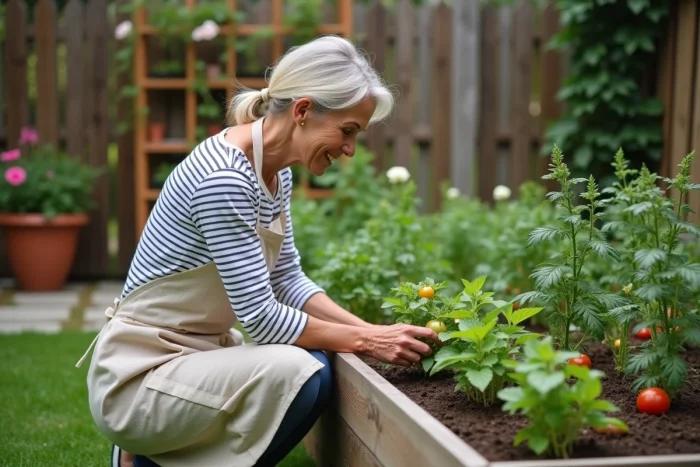
Transforming a garden is no longer just about choosing between English lawn and flower beds. Recent climatic constraints, pressure on water resources, and the evolution of outdoor uses are reshaping the criteria for successful landscaping. What technical levers distinguish a simply pretty garden from a space truly adapted to current conditions?
Landscaping Materials: Durability, Maintenance, and Cost Compared
The choice of materials for terraces, paths, and borders determines both the aesthetics and longevity of the garden. Three families dominate outdoor landscaping projects, with notable differences in medium-term maintenance.
| Material | Estimated Lifespan | Annual Maintenance | Heat/Frost Resistance |
|---|---|---|---|
| Wood (treated pine, larch) | Average (depending on treatment) | Stain or saturator every year | Sensitive to thermal fluctuations |
| Composite | Long | Simple cleaning with water | Good resistance |
| Natural stone / paving | Very long | Almost none | Excellent |
Wood remains the most used material for terraces, but its maintenance represents a recurring burden. Composite, more expensive at purchase, reduces this constraint over time. Natural stone boasts the best longevity, provided the installation is done carefully.
To delve deeper into current trends in outdoor landscaping, the garden on Inside Out offers detailed analyses of materials and styles that truly work in real conditions.
Water Conservation in the Garden: Mulching, Water Harvesting, and Resilient Plants
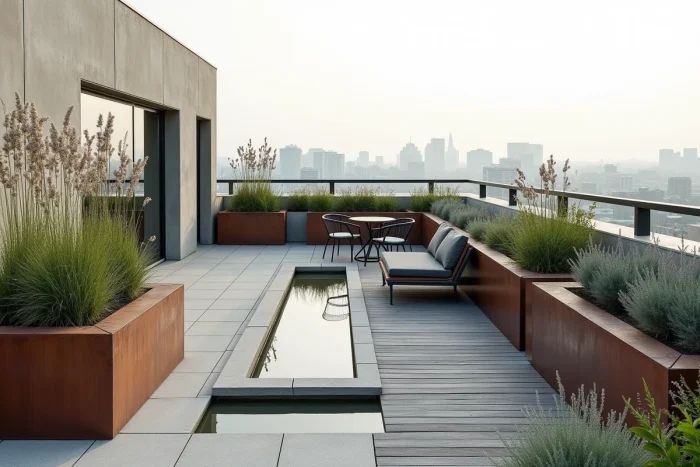
The water conservation measures promoted by public authorities in France since 2023-2024 are changing the very design of green spaces. A trendy garden in 2025 integrates water management from the planning phase, not as an afterthought.
Mulching significantly reduces evaporation and limits the need for watering. Wood chips, plant debris, or mineral mulch protect the soil while nourishing microbial life. It is the most cost-effective gesture for a water-efficient garden.
Rainwater harvesting through buried or above-ground tanks complements the system. Coupled with targeted irrigation (drip, timer), it allows for maintaining a productive vegetable garden or flower beds even during summer restrictions.
Plants Suitable for Hot Summers
ADEME recommends water-wise landscaping that is better suited to hotter summers. In practice, this means favoring Mediterranean plants or drought-resistant perennials over species that require heavy watering.
- Lavenders, sages, and ornamental grasses can withstand several weeks without rain once well-rooted
- Evergreen shrubs like mastic tree or laurustinus structure the garden all year round with minimal maintenance
- Ground-cover plants (thyme, sedum) effectively replace grass in low-traffic areas
A resilient garden requires less water, less mowing, and fewer treatments than a traditional landscaping. Plant sobriety is not an aesthetic compromise; it’s a change in palette.
Useful Biodiversity: Transforming Decoration into a Functional Ecosystem
The French Office for Biodiversity now directs individuals towards outdoor spaces that are favorable to biodiversity. A unique garden is no longer distinguished solely by its style but by its ability to host beneficial wildlife.
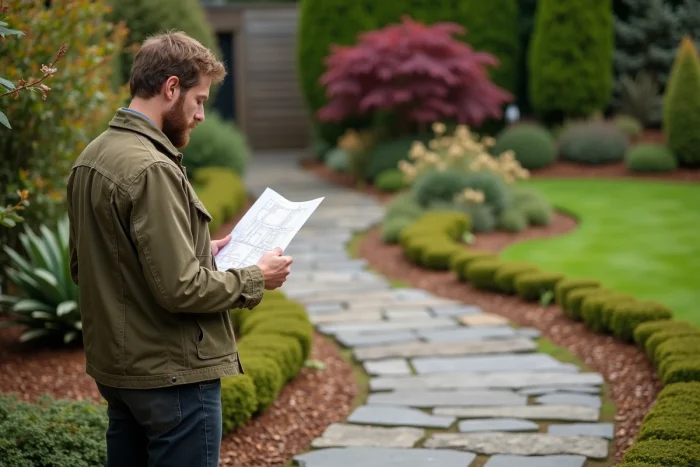
In practical terms, diverse hedges composed of several local species replace mono-specific hedges of thuja. They provide food and shelter for birds, pollinators, and natural pest predators.
Insect hotels, often reduced to decorative accessories, become truly effective when associated with areas left more natural. A strip of unmowed meadow at the back of the garden, even a few square meters, multiplies the presence of butterflies and solitary bees.
Plant Layers and Garden Structure
A landscaping design that works for biodiversity relies on the layering of strata: tall trees, intermediate shrubs, low perennials, and ground covers. This vertical architecture creates microclimates within the garden.
- The tree layer (fruit trees, field maples) provides shade and coolness in summer
- The shrub layer (dogwoods, viburnums) serves as a corridor for small wildlife
- The herbaceous layer (grasses, nectar-rich flowers) nourishes pollinators from spring to autumn
A garden structured in layers requires less maintenance than a purely horticultural space, because each layer limits the growth of weeds and naturally regulates soil moisture.
Designing a Small Outdoor Space: Verticality and Distinct Zones
Small gardens represent the majority of outdoor spaces in urban and suburban areas. A common mistake is to place everything on the ground, which visually saturates the space.
Verticality frees up ground space without sacrificing vegetation. Green walls, hanging planters, trellises adorned with climbing plants: these solutions allow for integrating a high density of vegetation in just a few square meters.
Creating distinct zones, even in a small garden, structures the use. An elevated composite or wooden terrace, a vegetable garden corner defined by corten steel borders, a relaxation area with a lightweight pergola: each zone gains clarity when physically separated from others by a change in material or level.
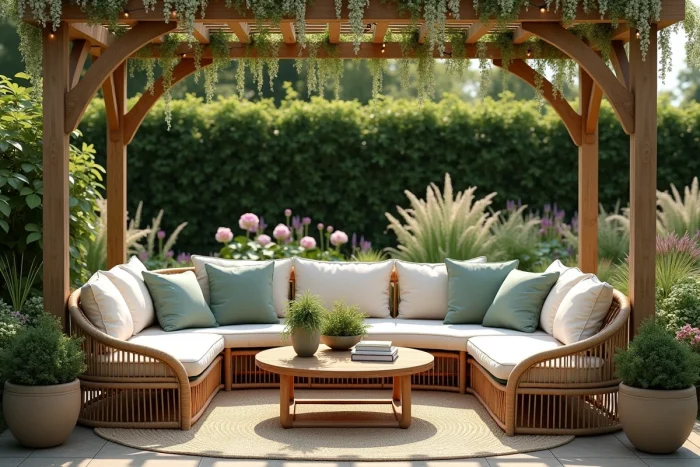
On the other hand, multiplying decorative elements in a small space produces the opposite effect. Less furniture, better chosen, visually enlarges the garden far more than an accumulation of accessories.
The design of a trendy garden relies on technical decisions more than decorative choices. Water management, selection of durable materials, integrated biodiversity, and space optimization are the four axes that separate a dated outdoor area from a garden adapted to current conditions. The material that ages well and the plant that thrives without daily watering share the same quality: they reduce the maintenance burden year after year.